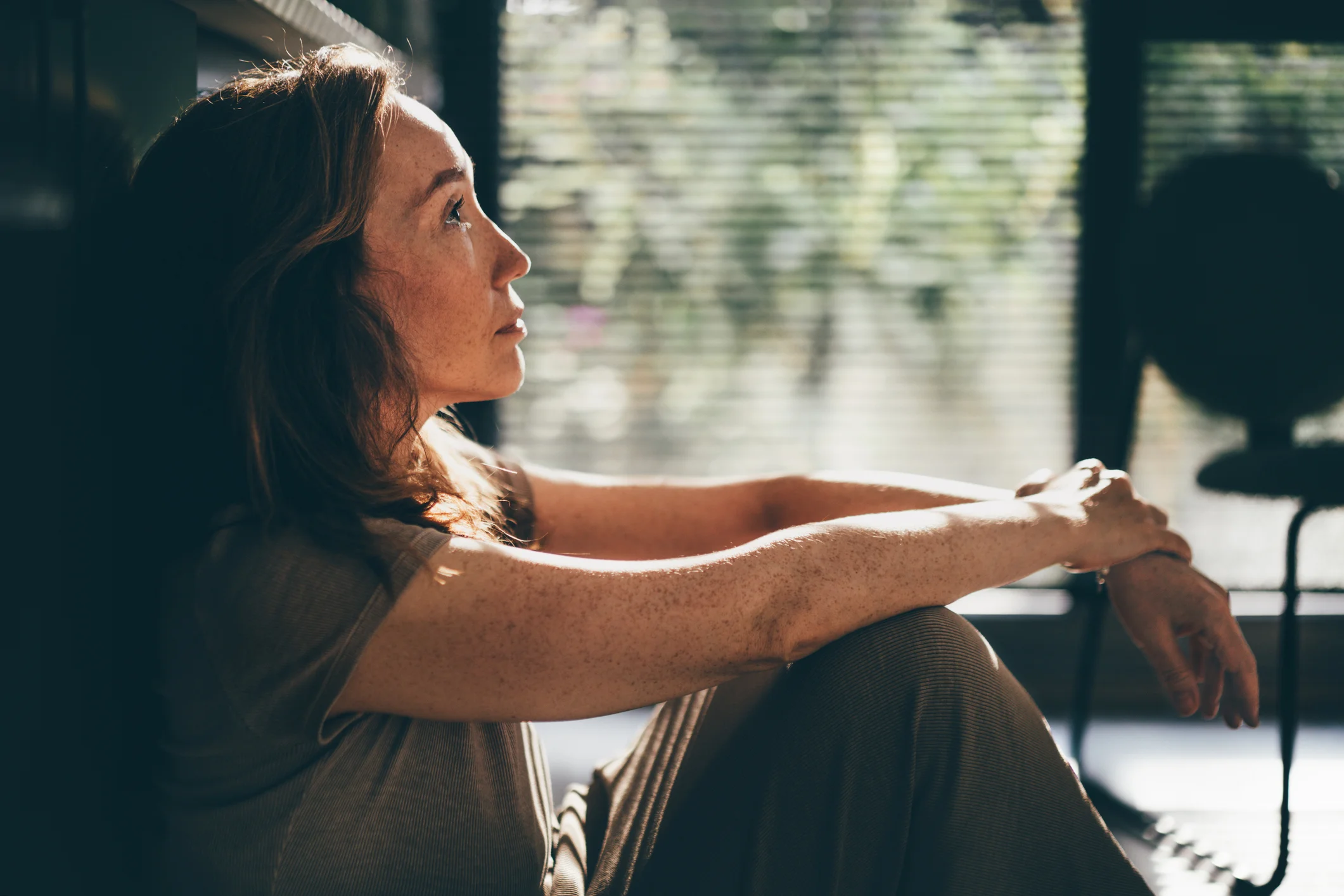
Mother of three, Denise Young, has struggled to sleep since her husband, Craig, died of cancer a year ago. She has been worrying about supporting her grieving daughter through her GCSEs while facing the financial burden of life as a solo parent.
‘My world as I knew it had ended,’ explains Denise, 47, who had been with her husband since they were teenagers. ‘But life goes on and I had to.
‘All the time it’s in the background – he’s not here. I just wanted things to stop so I could get my breath but the kids still need feeding and the bills still need paying.’
Denise says worrying about her finances and her family’s future is exacerbating the emotional toll of their loss – but she and her daughters are not alone. The Child Bereavement Network estimates that 26,900 parents die each year in the UK, leaving behind 46,300 dependent children under 18.
‘I don’t want my daughters put into poverty for losing their dad,’ Denise tells Metro. ‘We’d lose the house and everything. Why should their life change because of something they have no control over?’
Up until 2017, she would have been eligible for a widowed parents allowance until her children left full time education. This was based on the late partner’s national insurance contributions and was worth up to £150 per week.
However, this was withdrawn nine years ago. It was replaced with bereavement support payments which are just £350 a month – just over half the amount – after an initial lump sum to help with funeral costs, and crucially, now end after 18 months.
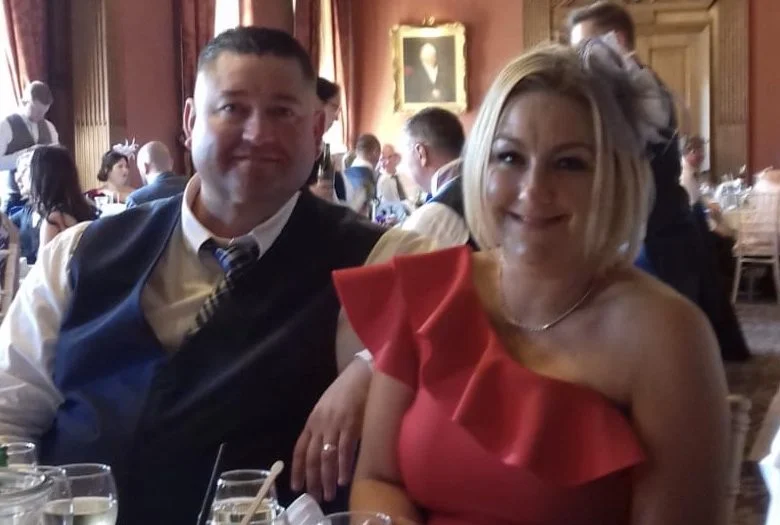
Denise, alongside a campaign group called Widow’s Fight, says this is simply not enough.
They are urging the government to review these payments and reinstate longer term support, in line with many other countries including USA, Ireland and Lithuania who all provide much more financial stability for bereaved families.
Caroline Booth from Halifax, who launched the campaign, says she felt very let down by the government after her husband, Steve, died last May.
‘Widowhood doesn’t end after 18 months. A child’s needs don’t end after 18 months,’ she says passionately. ‘The one time in your life you need support, it’s not there.’
Caroline’s household income is now a quarter of what it was 10 months ago. She lost Steve’s £100,000 salary, her ability to work full time while caring for her grieving children, and has had to take a lower paid role after leaving her job to be her husband’s carer.
‘I’ve had to consider selling the house and cutting back on my children’s hobbies but I want to shield them as much as I can,’ Caroline tells Metro. ‘We did everything together during 25 years of marriage so it feels like part of me is missing.’
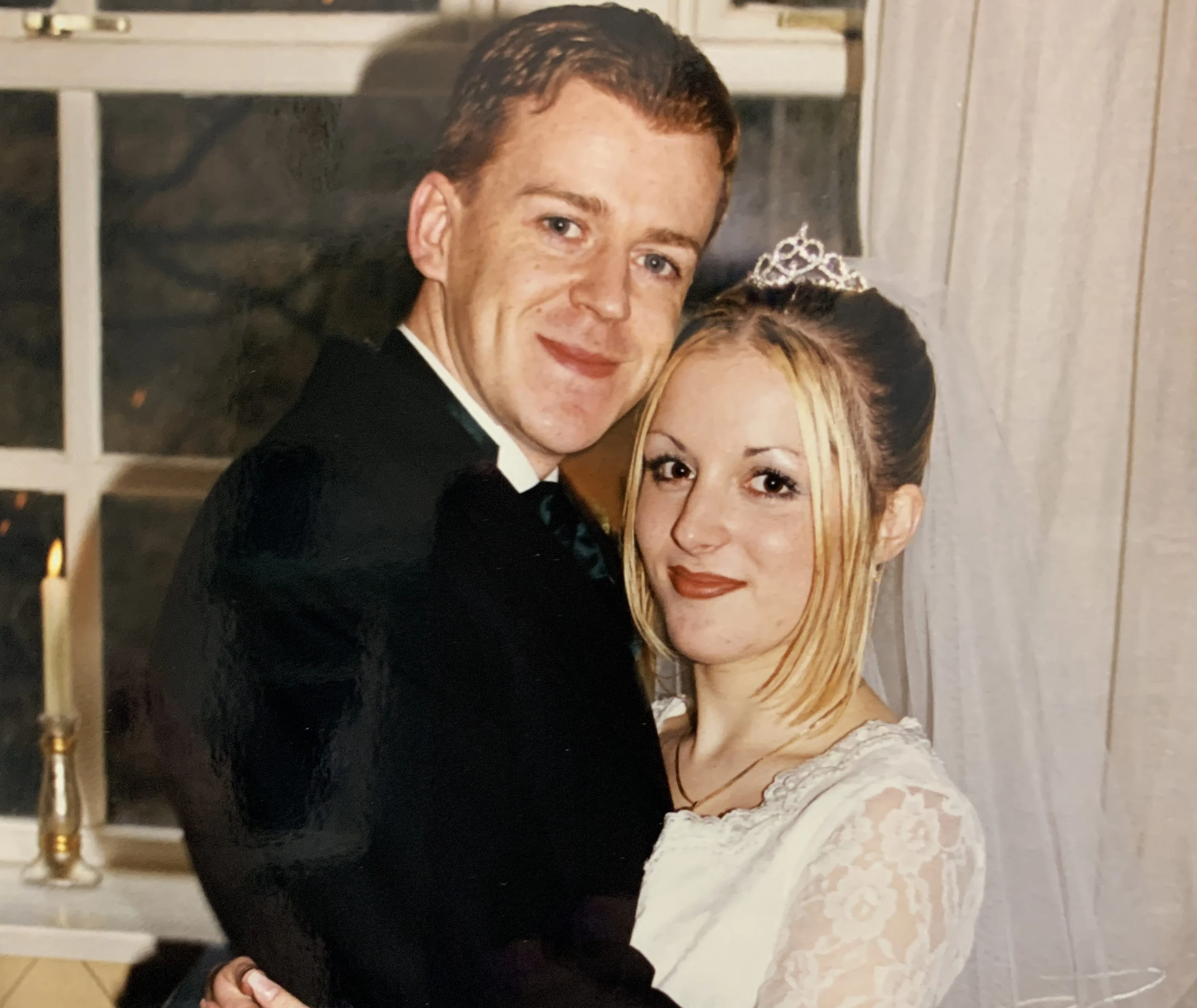
She says Steve worked all his life as an accountant, was a higher rate tax payer and paid more national insurance in the eight months he was terminally ill than she will ever be able to claim back.
‘People don’t understand how sudden and drastic it is when you’ve built a life and future based on two people, two incomes and it’s just gone,’ Caroline explains.
According to Widowed And Young, a nationwide charity who support widows under the age of 50, the cost of living crisis has left 65% of their members feeling concerned for their finances. They say more support would help to give families the security they need to rebuild their lives.
‘We believe 18 months is simply too short a time. Many widowed people are struggling to pay household bills, cope with childcare costs and put food on the table,’ says spokesperson, Vicky Anning. ‘Widowed and Young and our members are asking for the government to restore long- term support to bereaved families.”
Caroline believes the government is overlooking the needs of widowed families and failing in their basic duty of care to protect bereaved children. The Labour party opposed the changes to the payments back in 2017 and she is calling on them to review the lack of support in line with their own manifesto goals on child poverty.
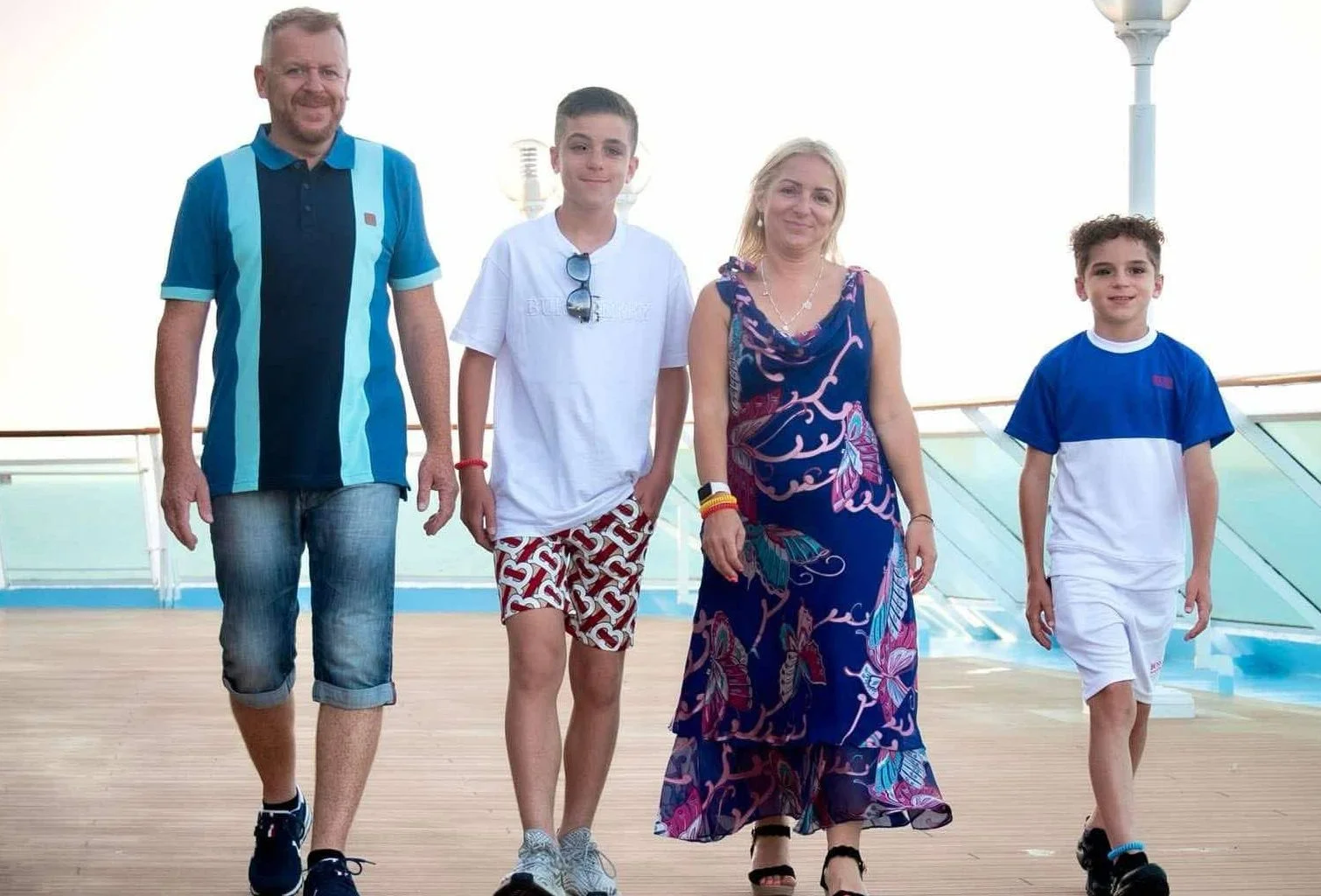
“Rachel Reeves said children shouldn’t suffer because of circumstances beyond their control,” she says. “But losing a parent is the ultimate example of that.”
The independent UK Commission on Bereavement recommended that bereavement support payments should be extended for six years or until completion of one year of secondary education for the youngest child, whichever is longer.
Caroline is calling for an extension beyond 18 months for parents with dependent children, a full review of the policy’s compliance with equality and children’s rights laws and also linking payments to the cost of living.
Bereavement payments have not been uprated for inflation in line with other government support since the system changed nine years ago. Goods and services costing £350 in 2017 would cost more than £450 today, according to the Bank of England’s inflation calculator.
In a statement, the Department for Work and Pensions have said that if longer-term income support is needed, individuals can look to benefits such as Universal Credit, which have been specifically designed to provide ongoing assistance with living costs.
However, Caroline says this isn’t good enough.
“Universal credit is not a substitute for quality bereavement support – it’s a poverty safety net, not recognition of a parent’s lifetime national insurance contributions.”
It also overlooks the real pressures bereaved families are facing, including parents managing their children’s grief and their own, while being expected to return to work before they are emotionally ready.
The Work and Pensions Select Committee 2019 said: “Universal credit claimants will usually be required to look for work six months after their partner has died. In many cases this will be far too short. It may fail to take account of households’ different circumstances and the potentially seismic effect of bereavement on their lives.”
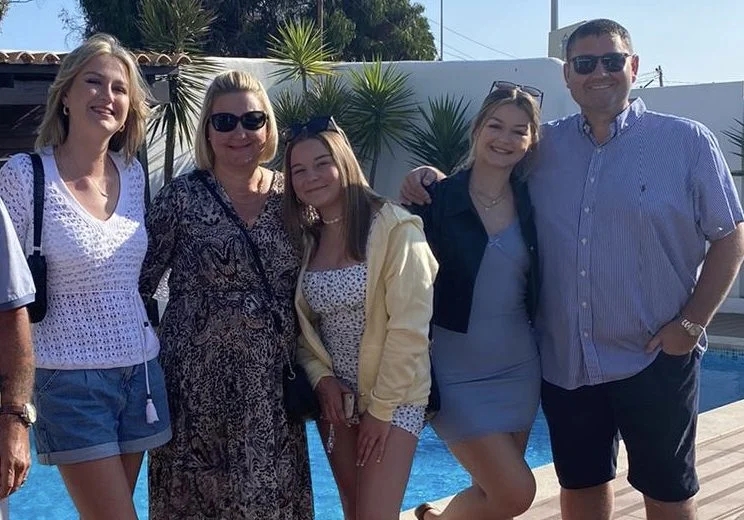
For Denise, this has had a deep impact on her and she feels under immense pressure. The worry and uncertainty are affecting her mental health and she is on high-dose antidepressants to cope.
“My daughter has been struggling and it can be difficult to get her into school. Finding grief support for her has been really hard and she needs to be my priority, to protect her mental health,” she explains. “On top of all that I have Universal Credit on my back saying I need to be in for appointments, looking for jobs.”
She has been advised by the job centre to claim incapacity benefits to address this issue, but says that misses the point.
‘I’m not ill. I’m grieving. That’s the difference,’ she says emphatically. ‘Until you lose your rock, no-one can understand.
‘Dealing with my grief continues to be a daily struggle and it’s hard to get up and face the day. He would always know what to say when I was feeling sad or the girls had a problem. And now I really need that, he’s not here.
To expect someone to function and find a job to fit around sleep deprivation, the kids, it’s so difficult. I’ve always worked, I’ve always been a grafter. We just want it to be a fair system.’
Another unfairness highlighted by Widow’s Fight is the way many bereaved parents end up ineligible for universal credit in the first place as the system counts any payout from their late partner’s estate as savings. If this is over £16,000 you cannot claim the benefit.
Denise’s husband died without life insurance after it was cancelled when they changed their mortgage. They couldn’t renew it immediately as he was waiting on tests for a pain in his leg, but that pain turned out to be soft tissue sarcoma and then he was uninsurable.
Yet, even without this safety net, a ‘death in service’ payment of £40,000 from his employers meant she had to pay back the universal credit she had already claimed.
In contrast, divorced parents are able to be paid child maintenance from their ex-partner without it affecting their universal credit eligibility, despite bereaved parents often incurring higher costs.
Caroline is passionate about bringing all these issues to light through her Widow’s Fight campaign and has already garnered over 27,000 signatures for her petition. ‘Thousands of families are facing unimaginable grief,’ she explains.
‘This isn’t about me – it’s about fairness. The government could do more. They should do more.’